The Arma roadmapBuilt on what we’ve learned.
A car, the tools to build it, and the software that brings them together. From our first road-going prototype to a new approach to manufacturing, this is where we’ve been and where we hope to go.
Our foundations / Since 2020
Where we’ve been
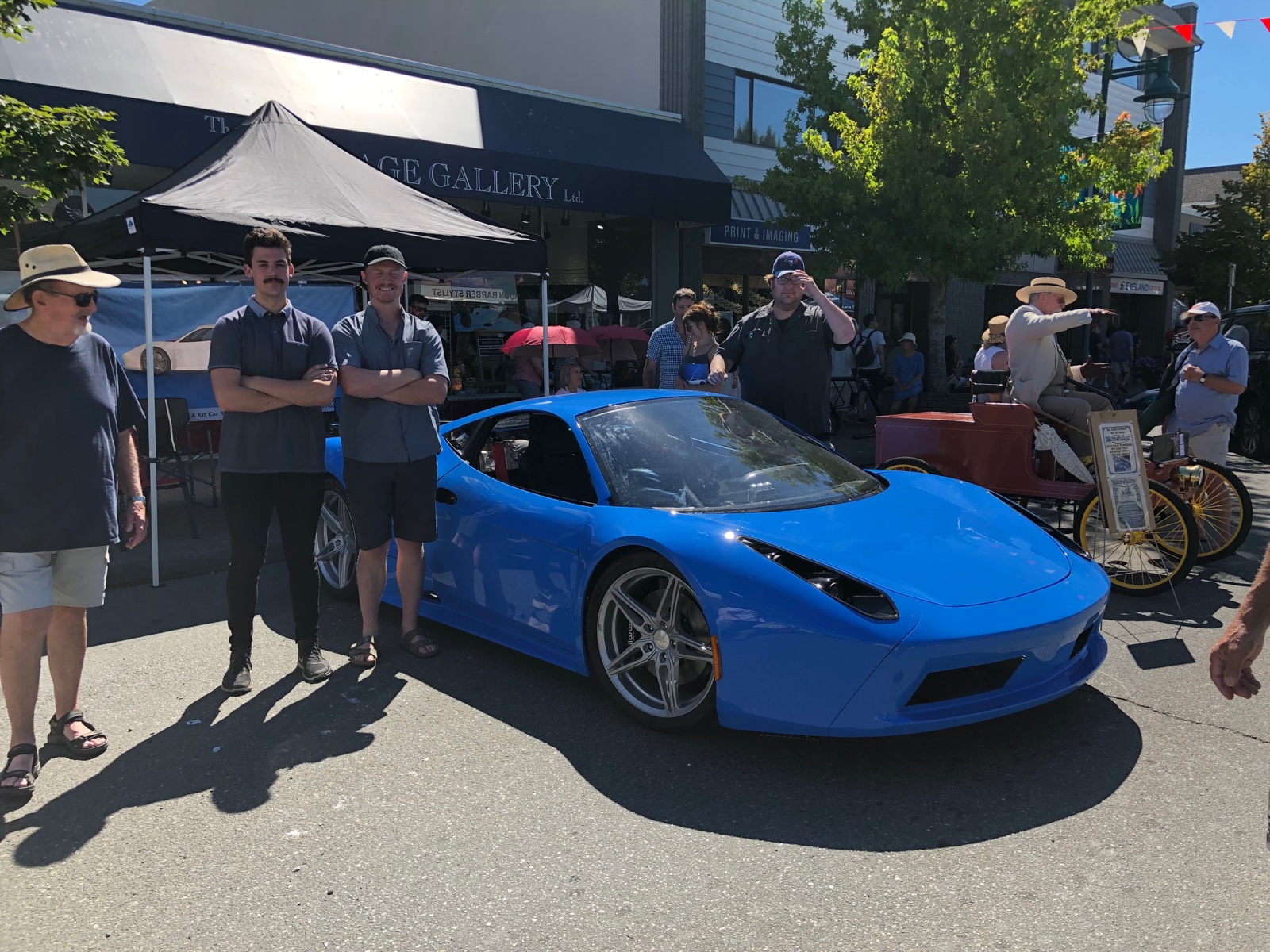
A workshop. A team. A car on the road.
In 2020, we leased an 1,800-square-foot workshop. It gave us room to build our prototype car and develop the CNC tools needed to make it. With the help of a talented engineering team, we turned designs into working hardware and learned a great deal along the way.
Our first Zen is now on the road, having completed the British Columbia UBilt registration process with ICBC and CVSE. We also secured design protection for the car in Canada and the United States.
We built a functional CNC tube bender prototype, a portable CNC tube notcher, and a large five-axis CNC router for body-panel moulds. Each project helped us understand how to make the next vehicle better.
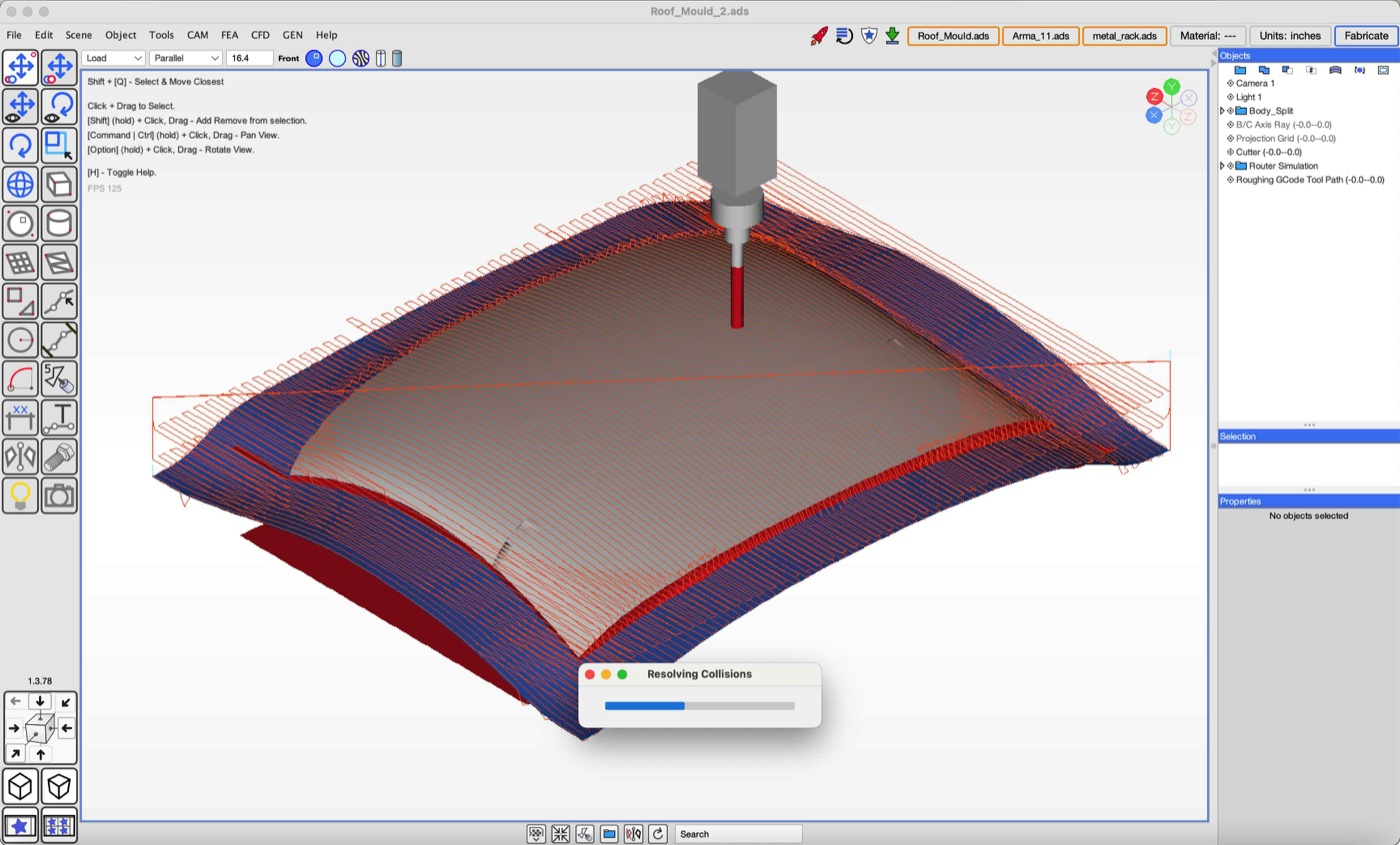
The software behind the hardware
ADS grew with the car.
Arma Design Studio has become a practical CAD/CAM tool for tube-frame design and fabrication. STEP interoperability connects it with other CAD applications, while automatic notching, tabs and slots, and G-code export support tube notchers and benders.
We developed bend compensation to account for springback and changes in bend radius, helping connected tubes line up as intended. For bodywork, ADS exports surface-meshing toolpaths to our five-axis router. Making real parts has helped us improve both machining performance and surface quality.
Explore Arma Design StudioIn development / Our focus today
What we’re doing
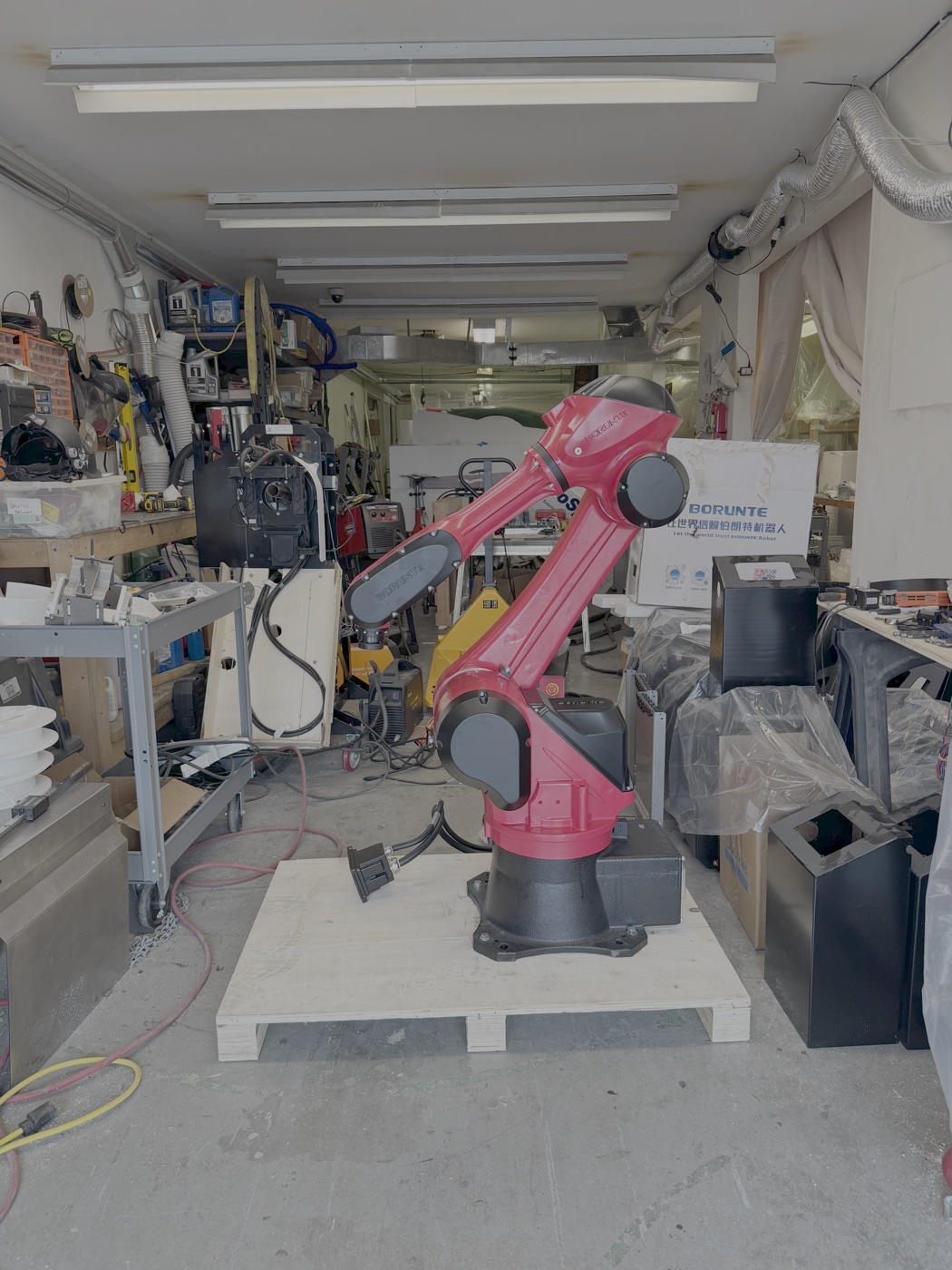
A new way to build the next Zen.
We’re refining the Zen with the safety, comfort and everyday usability expected of a high-end vehicle. Alongside that design work, we’re developing a manufacturing process that uses steel and aluminium 3D printing for large chassis and body components.
At the centre of this work is a six-axis robotic arm and a Wire Arc Additive Manufacturing (WAAM) system we are developing from the ground up. Reliable, accurate printing comes first; it will take time to establish and validate the process.
We have applied to the Vehicle Sales Authority of British Columbia for a dealership licence as part of our plan to sell complete vehicles in the province. We also intend to offer base frames and bodies for customer assembly through the applicable UBilt or kit-car registration process.
Explore our metal-printing workProve the printing process
Develop repeatable WAAM results, using scale models of the Zen to check print accuracy before progressing to larger components and physical testing.
Connect design and validation
Extend ADS with WAAM workflows, hinges and more vehicle detail, and crash-simulation tools whose results can be compared with physical tests.
Make the work useful to others
Work towards design and printing services for other builders, while exploring AI assistance for longer engineering and simulation tasks.
Looking into 2027: refine the Zen and make the printer reliable and accurate. Those milestones will determine when we can begin offering printing services, producing kits and progressing towards complete customer cars.
Our ambition / The next chapter
What comes next
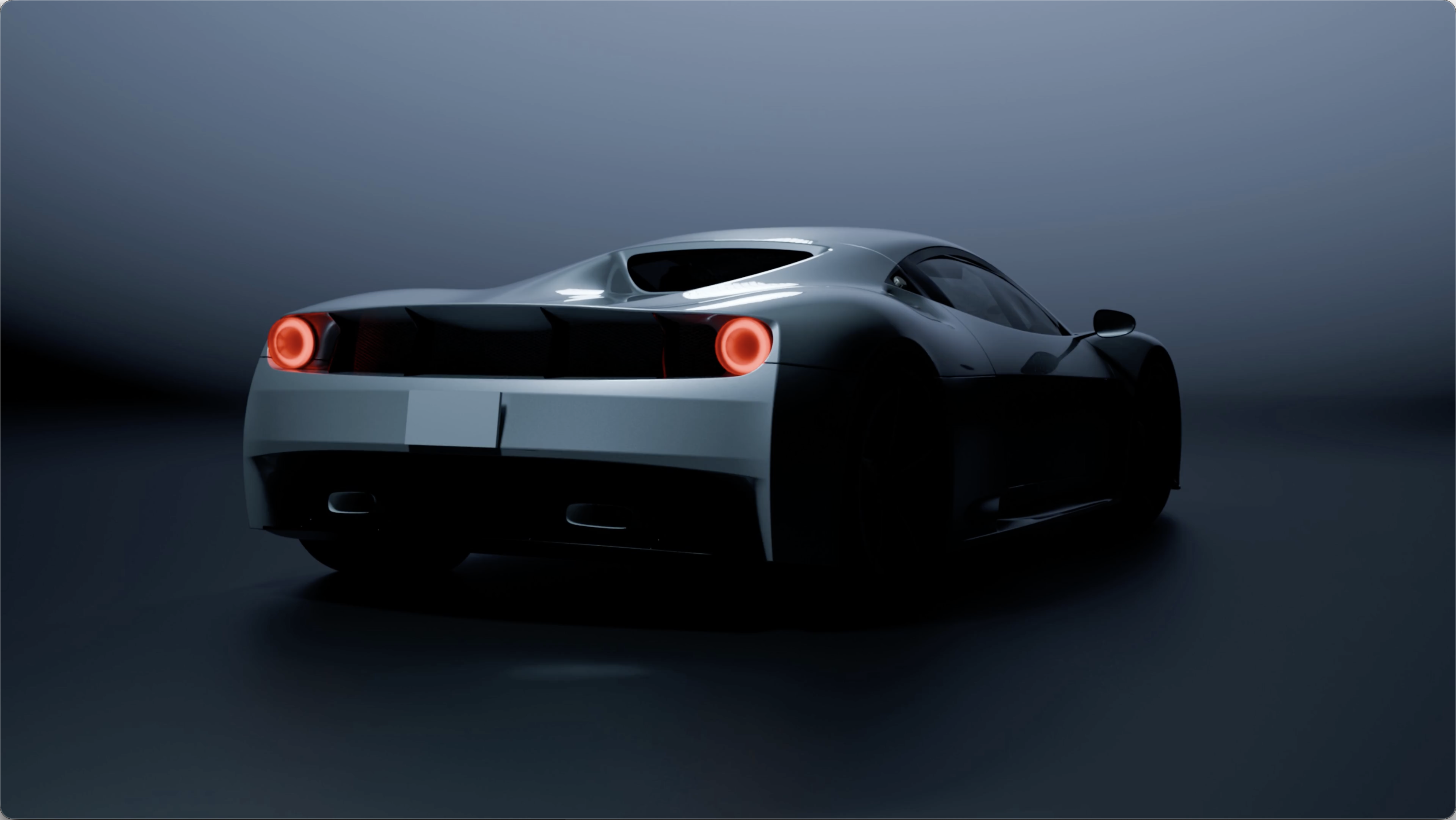
From one car to a platform for builders.
Our goal is to make ADS a platform that helps bespoke vehicle manufacturers design and fabricate chassis, bodies and internal components, with analysis, reporting and costing to support a future vehicle-approval programme.
In British Columbia, we plan to produce kits, build individual customer vehicles as approvals allow, and print parts for other companies. This gives us a path to develop the process at a manageable scale.
Our longer-term ambition is a US manufacturing facility and a Zen developed for homologation: the testing and compliance work needed to bring a production vehicle to its intended markets.
US$4 million
Planned raise for vehicle manufacturing and large-scale metal printing.
Proving the car is ready for production.
We plan to raise US$4 million to expand vehicle manufacturing and our large-scale metal printing business. The vehicle programme includes completing the design and working towards US manufacturing and homologation; the scope and budget will be refined as the plans develop.
That work includes airbags, traction and stability control, structural and driving analysis, and physical crash testing. Our early planning allows for around 15 test vehicles. We want to do as much design and simulation work as possible before committing to the final production design.
The business behind the build
Why consider a US factory?
Where we build affects production costs, access to customers and the cost of delivering a car. We’re comparing customer affordability and the size of the potential market alongside workforce, premises, suppliers, logistics and vehicle approval.
What does a factory cost to operate?
National wage and industrial-rent benchmarks, with US amounts converted to CAD.
Mechanic base wage
CAD / hour · scale: 0–80
Mechanical engineer base wage
CAD / hour · scale: 0–80
Industrial net asking rent
CAD / sq ft / year · scale: 0–20
US operating costs are higher, but we consider them reasonable given the advantages of staffing options, material supply chains and access to customers. We’ll use long-running AI and ADS workflows to automate repetitive work, and robotics for heavy lifting, so we can build a motivated team focused on design, customers and support.
Wages and rent have different units and separate scales. Employer overhead, fit-out and compliance need separate budgets.
View original currencies, benchmark dates and factory-cost calculationsThe cross-border cost of a car
Planning scenarios for the same vehicle value: CAD $150,000 / USD $104,961. Costs below use the customer’s currency, assuming no USMCA/CUSMA preferential treatment.
Canadian factory to US customer
52.5%Assumed combined duty rate+ USD $55,105Added import dutiesUSD $160,066 before freight and purchase taxes
View the tariff assumptions and calculationUS factory to Canadian customer
31.1%Assumed combined duty rate+ CAD $46,650Added import dutiesCAD $196,650 before freight and purchase taxes
View the tariff assumptions and calculationUnder these assumptions, cross-border costs are high in both directions, making the factory location an important choice. Building in the country where we expect to sell most cars could reduce import costs and make the car more affordable for those customers.
Budget scenarios from the November 18, 2026 study, using USD $1 = CAD $1.4291; not confirmed customs charges. The Canada-to-US case includes a future January 2027 tariff assumption. Actual charges depend on the rules at delivery, origin, components and eligibility.
Vehicle-price, market and factory inputs reproduce the November 18, 2026 planning study. The new affordability comparison adds OECD income benchmarks. Factory selection also depends on workforce, suppliers, logistics, approvals and validated demand.
Built step by step
The next chapter starts in the workshop.
Our immediate job is to improve the Zen, prove the printing process and turn what we learn into better tools. Kits, customer cars and a larger manufacturing programme will follow as the engineering, approvals, demand and funding come together.